
Generated by Gemini AI
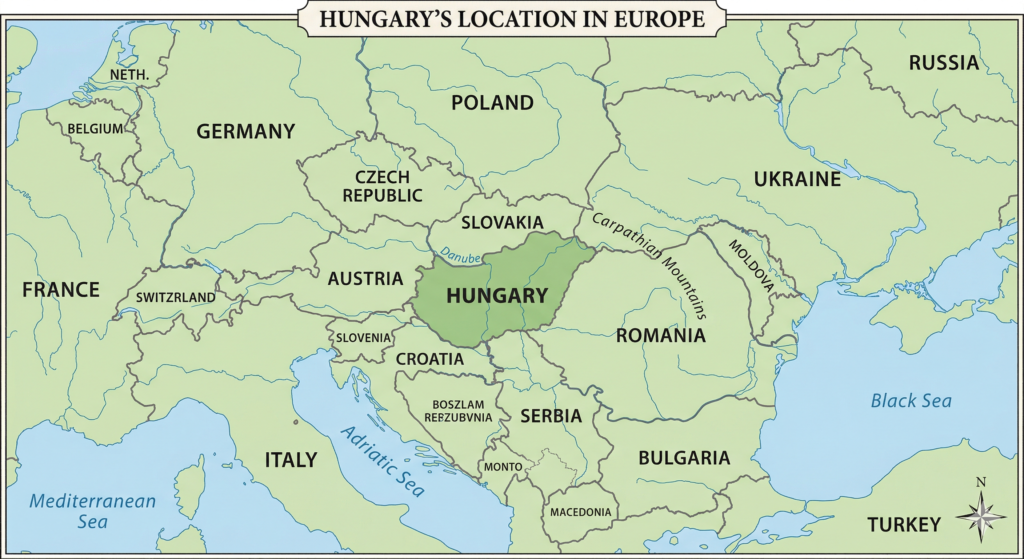
The 2026 Hungarian general election has resulted in a historic shift, ending Viktor Orbán’s 16-year tenure as Prime Minister. In a stunning upset on April 12, 2026, Orbán conceded defeat to the Tisza Party, led by Péter Magyar.
The election saw a record turnout of approximately 78%, which analysts suggest benefited the opposition’s push for a “fresh start” for the country.
Summary of Election Results
While final tallies are being finalized, partial results (with over 60% of votes counted) indicate a landslide victory for the opposition:
- Tisza Party: Projected to win approximately 137 seats in the 199-seat parliament, securing a powerful two-thirds majority.
- Fidesz (Orbán’s party): Down to roughly 55 seats, marking its first national defeat since 2006.
- Mi Hazánk (Our Homeland): The far-right party is expected to retain a small presence with about 7 seats.
Political Leanings of the New Ruling Party
The Tisza Party (Respect and Freedom Party) is a center-right and socially conservative movement. Its leader, Péter Magyar, is a former Fidesz insider who defected from Orbán’s circle, bringing a unique perspective that appeals to both traditional conservatives and those seeking liberal democratic reforms.
| Issue | Tisza Party Stance |
| EU Relations | Pro-European. Magyar has pledged to end Hungary’s isolation in Brussels and unlock EU funds previously frozen due to rule-of-law concerns. |
| Foreign Policy | Shift away from Moscow. Unlike Orbán, the new leadership is expected to align more closely with NATO and EU stances on Ukraine and Russian sanctions. |
| Economy | Reformist. The platform focuses on tackling corruption, addressing economic stagnation, and reinvesting in healthcare and education. |
| Social Issues | Moderately Conservative. While retaining a focus on family values, the party emphasizes human rights and transparency over the “illiberal democracy” model. |
The Impact of the Change
The concession is being viewed globally as a major blow to the “illiberal” populist movement. For years, Orbán was a key ally to both Donald Trump and Vladimir Putin within the EU. The victory of the Tisza Party suggests a pivot back toward European integration and a significant reduction in Russia’s influence within the European Council.
Note: Because Tisza is on track for a two-thirds “supermajority,” they will have the constitutional power to dismantle many of the legal and judicial changes Orbán implemented during his decade and a half in power.
Péter Magyar’s transition from a Fidesz insider to the leader of the Tisza Party was fueled by a platform of “radical transparency.” With a projected two-thirds supermajority, his administration is expected to move swiftly to dismantle the “Orbán system.”
Here are the key domestic reforms and policy goals Magyar has proposed for his first months in office:
1. Anti-Corruption & Rule of Law
This is the cornerstone of the Tisza Party’s platform. Magyar has pledged to immediately align Hungary with European legal standards to unlock billions in frozen EU funds.
- Joining the EPPO: Hungary is expected to officially join the European Public Prosecutor’s Office (EPPO) to allow independent oversight of how EU money is spent.
- Dissolving the “Sovereignty Protection Office”: A plan to scrap the controversial agency used by the previous government to investigate foreign-funded NGOs and media.
- Public Media Reform: A commitment to depoliticize state-run media and restore the independence of the national news agency (MTI).
2. Healthcare & Education Crisis
Magyar’s campaign focused heavily on the “collapsing” state of public services, which he blames on decades of underfunding and corruption.
- Emergency Funding: A “100-Day Rescue Plan” for hospitals, focusing on addressing the critical shortage of doctors and nurses through immediate wage increases.
- Restoring Teacher Autonomy: Reversing the centralization of schools and granting teachers significant pay raises to stem the tide of educators leaving the profession.
3. Economic Reorientation
The new government faces high inflation and a stagnant economy.
- Transparency in Procurement: Overhauling the public tender process to ensure contracts are no longer awarded exclusively to “oligarchs” close to the ruling party.
- Attracting Western Investment: While Orbán courted Chinese and Russian capital (particularly in the EV battery sector), Magyar aims to pivot back toward high-tech investments from the EU and North America.
4. Foreign Policy Pivot
- The “Atlanticist” Shift: Magyar has indicated he will repair ties with NATO and the EU, moving Hungary away from its role as a “spoiler” in Brussels.
- Ukraine Stance: While Magyar remains cautious about direct arms shipments to avoid being labeled “pro-war” by his opponents, his administration is expected to drop Hungary’s veto on critical EU aid packages for Ukraine and support Russian sanctions more consistently.
Summary of the Political “Flavor”
The Tisza Party represents a conservative-liberal hybrid. It maintains traditional Hungarian values (such as family support) but rejects the “illiberal” methods used by Orbán. It is effectively an attempt to return to a pre-2010 style of democratic governance—pro-market, pro-West, and strictly bound by the rule of law.
The “Supermajority” Factor: Because the Tisza Party is projected to hold 137+ seats, they have the power to amend the constitution. This means they can theoretically “clean house” by removing Orbán-appointed officials in long-term positions (like the Chief Prosecutor) who were previously considered untouchable.